Loading...
True Line Edgewater Concrete is a concrete contractor serving Ormond Beach, FL with stamped concrete, driveways, patios, pool decks, and slab work on the city's mix of beachside homes and newer inland subdivisions. We have worked throughout Volusia County since 2019 and understand the coastal moisture, salt-air exposure, and City of Ormond Beach permit requirements that shape every concrete job in this area.
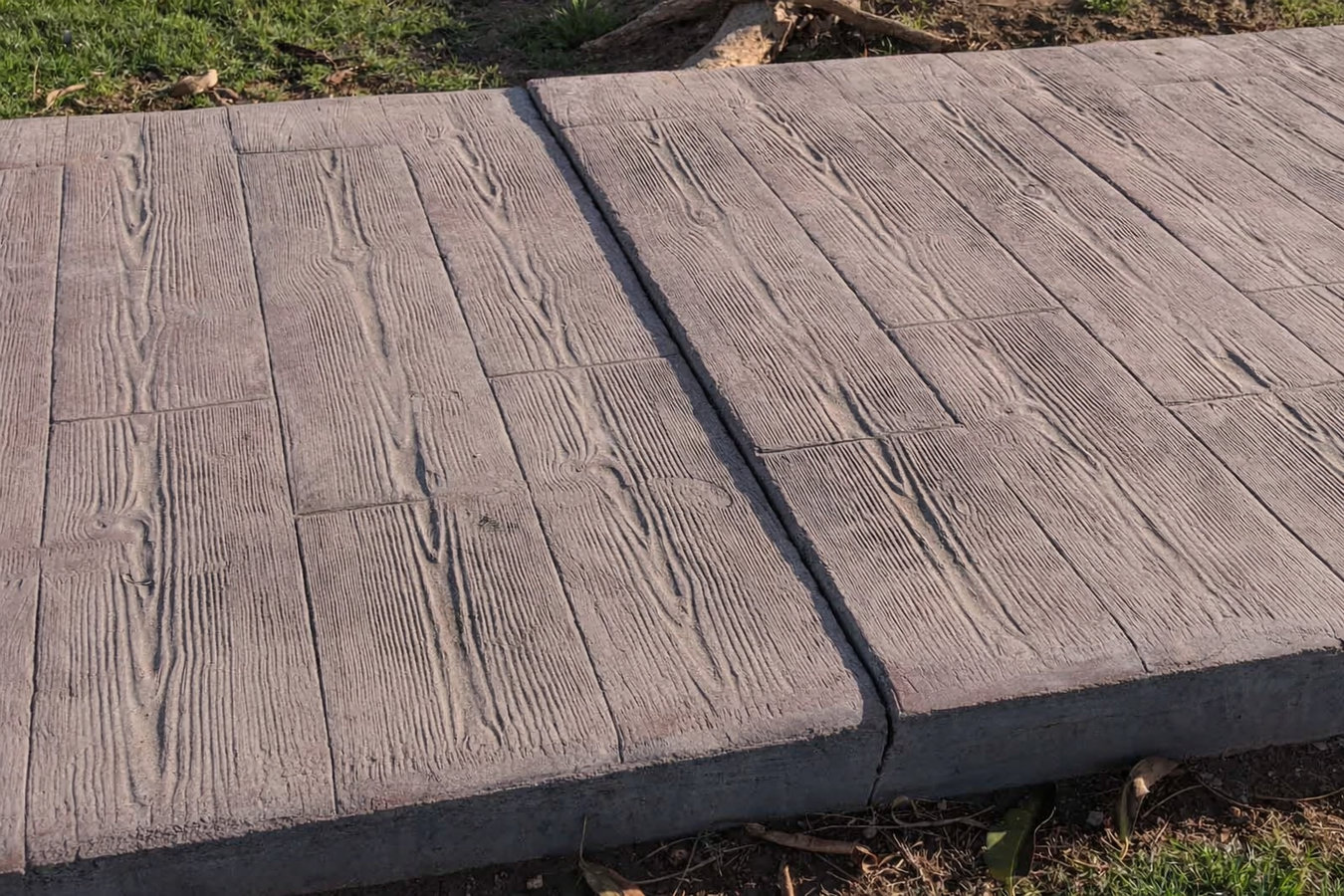
Ormond Beach's owner-occupied, higher-value housing stock - particularly in neighborhoods near the Halifax River and along the A1A corridor - supports strong demand for decorative concrete that adds curb appeal without the maintenance that pavers or wood decking require in a coastal environment. Our stamped concrete services use coastal-rated sealers on every project east of US-1, where salt air accelerates surface wear.
Ormond Beach's year-round warmth keeps pool season going for most of the year, and the pool deck takes the full force of daily foot traffic, pool chemicals, and the salt-influenced air that comes off the Halifax River and the ocean nearby. Concrete pool decks in this area need proper texture for slip resistance and a sealer that holds up to chemical exposure - we spec both based on the property's proximity to the water.
Ormond Beach homeowners - many of them long-term residents and retirees who plan to stay - invest in their outdoor living spaces. A poured concrete patio or lanai extension handles the humidity and UV that wood decking and composite materials struggle with in this climate, and it does not need the seasonal staining and sealing that other materials require to look presentable year to year.
Much of Ormond Beach's housing was built between the 1960s and 1990s, and original driveways from that era are at or past the end of their practical life. Replacement in the older beachside neighborhoods east of A1A often means working on narrow lots with tight access, while the newer subdivisions west of I-95 have longer driveways on larger lots that require careful drainage grading across a bigger surface area.
Near-water properties along the Halifax River and the tidal creeks running through Ormond Beach often have low-lying yards where grade control is an ongoing issue. Concrete retaining walls with properly placed drainage weep holes manage grade and prevent the slow soil migration that leads to uneven yard surfaces, sunken walkways, and erosion along the seawall line over time.
Ormond Beach's older neighborhoods close to the beach and the river have sidewalks that have settled and cracked from ground movement over the decades. Where the sub-base near tidal areas has shifted from seasonal wet and dry cycles, replacement sidewalks need proper compaction and control joints to avoid repeating the same failure in the new slab.
Ormond Beach sits between the Atlantic Ocean and the Halifax River, with a significant share of its housing stock at or near the water on both sides. That location creates concrete conditions that are different from inland Volusia County in two important ways. First, salt air is a constant presence throughout the city and an especially aggressive factor in neighborhoods east of A1A, where the ocean is close enough to taste on windy days. Salt penetrates concrete surfaces and accelerates the corrosion of steel reinforcement inside the slab - causing it to crack and spall from the inside out over years. Contractors working anywhere in Ormond Beach need to account for that, but beachside properties need it addressed directly in the concrete mix specification and sealer selection. Second, a large portion of the city sits in or near FEMA-designated flood zones, particularly east of US-1 near the Halifax River, where lots are flat and the water table is high. Drainage slope on every pour matters more in a low-lying coastal city than in areas with natural topographic relief - standing water under or adjacent to a slab is one of the fastest ways to shorten its life.
The housing stock itself adds to those considerations. Most of Ormond Beach's homes were built between the 1960s and 1990s using concrete block stucco (CBS) construction - the standard Florida method for that era. Homes in that age range are now 30 to 60 years old, and the original concrete flatwork around them is often showing its age. Driveways crack from ground movement, pool decks spall from chemical and UV exposure, and patios develop surface wear that an annual coat of paint or sealer no longer addresses. Western Ormond Beach, beyond I-95, has a different set of newer homes - many built in the 2000s and 2010s with tile roofs and screened lanais - where flatwork is in better shape but drainage and grade issues on larger lots still require attention. Serving both sides of that market is something we do every week in Ormond Beach.
Our crew works throughout Ormond Beach regularly, and we pull permits through the City of Ormond Beach Building Division for work within city limits. We know the inspection requirements here and have worked on properties across the full range of Ormond Beach's neighborhoods - from the older beachside streets east of A1A to the larger-lot subdivisions west of I-95 like Hunters Ridge and Breakaway Trails.
Granada Boulevard (SR-40) is the main east-west corridor through Ormond Beach, running from I-95 to the beach and passing the Ormond Beach Performing Arts Center and through the older residential neighborhoods on both sides of US-1. North Beach Street and the area near Tomoka State Park at the northern edge of the city are areas we see regularly - waterfront and near-water properties there are exactly the kind of work where coastal material selection makes a real difference in how long the finished concrete lasts.
We serve Daytona Beach to the south, which borders Ormond Beach and shares similar coastal CBS housing stock and the same permit authority for work near the beach. Homeowners in both cities often find us through neighborhood referrals, and we move between the two communities without any change in standards or crew.
Reach out by phone or through the contact form and we respond within one business day. We ask a few questions upfront - project type, property location, and whether it is east or west of US-1 - so we can arrive at the estimate prepared for your specific conditions.
We visit the property, assess the existing surface or sub-base, check drainage conditions, and confirm whether the location warrants coastal-rated materials. You receive a written estimate with full scope - no guesses, no open-ended line items.
For permitted work, we handle the application with the City of Ormond Beach Building Division and schedule the pour around the approval timeline. We also account for Ormond Beach's summer afternoon storm pattern when selecting a pour date.
We complete the pour, apply the correct sealer for the location and surface type, allow proper cure time, and handle any final city inspection. The site is cleaned up before we leave - you get finished concrete, not a job that looks half-done.
We serve Ormond Beach homeowners and businesses from the beachside streets to the western subdivisions. Straightforward pricing, proper permits, and coastal-rated materials when the job calls for it.
(386) 749-1231Ormond Beach is a coastal city in Volusia County, bordered by Daytona Beach to the south and Flagler County to the north, with the Atlantic Ocean on its east side and the Halifax River running through the middle of town. The city is home to roughly 44,000 residents and skews older than most Florida communities - the median age is around 50, reflecting the large share of long-term homeowners and retirees who have chosen Ormond Beach over the more tourist-oriented Daytona Beach to the south. The city is known as the "Birthplace of Speed" - a title earned in the early 1900s when the hard-packed beach here was used for land speed record attempts, a history that still draws visitors to the annual Birthplace of Speed Antique Car Show every November.
The housing stock divides roughly by geography. Older beachside neighborhoods east of A1A have smaller homes on narrow lots, many built in the 1950s and 1960s as vacation cottages that became year-round residences over time. The neighborhoods between A1A and US-1 have the bulk of the city's mid-century CBS ranch homes - well-established streets with mature landscaping and homes that are now 40 to 60 years old. West of I-95, newer subdivisions like Hunters Ridge and Breakaway Trails have larger lots, newer construction from the 2000s and 2010s, and a different set of concrete needs. We work across all three zones regularly. Nearby, Holly Hill to the south shares many of the same postwar CBS housing characteristics as Ormond Beach's middle neighborhoods, and we move between the two communities frequently.
Transform your backyard with a beautiful, solid concrete patio.
Learn MoreSmooth, level concrete floors installed for homes and businesses.
Learn MoreSolid, code-compliant steps built for any entry or elevation change.
Learn MoreCall us today or submit a free estimate request - we respond within one business day and serve all of Ormond Beach, from the beachside streets to the western subdivisions.