Loading...
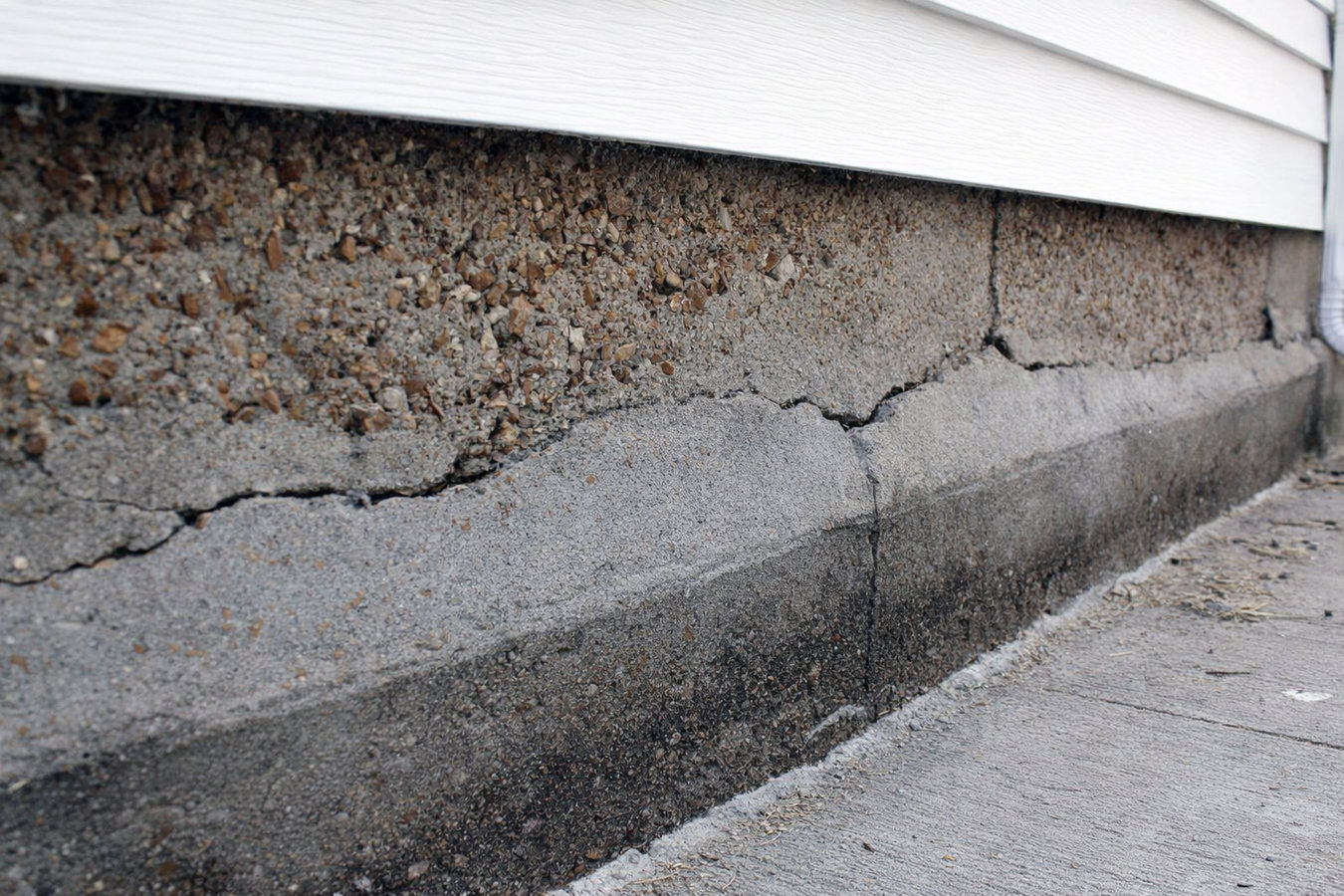
Sandy coastal soil and Florida's rainy season cause foundations to settle. We lift, level, and stabilize homes across Edgewater so you can stop worrying about sticking doors, uneven floors, and growing wall cracks.
Foundation raising in Edgewater lifts a settled or uneven home back to its original level position, stabilizing the structure so sticking doors, sloping floors, and wall cracks stop getting worse - most residential jobs take one to three days from start to finish.
Most Edgewater homeowners do not call until something obvious breaks - a door that will not close, a floor that feels like a ramp on one side. By that point the foundation has usually been moving for years, slowly responding to the wet-dry soil cycles that are part of life near the Indian River Lagoon. The good news is that modern repair methods can address even significant settlement without major disruption to your home or schedule.
If you are also thinking about adding a structure to your property, our concrete cutting service can be scheduled alongside or after foundation work to make sure everything is prepared correctly.
If interior doors that used to swing freely now drag on the floor or will not latch, your home may have shifted out of level. This is one of the most common early signs of foundation settlement in Edgewater, and it tends to get noticeably worse after each rainy season as the soil under your home saturates and then shrinks again.
Diagonal cracks in drywall - especially ones that start at the corner of a door or window frame - signal that one part of your home has moved more than another. Hairline cracks are common in any older home, but cracks wider than a quarter-inch, or ones that keep growing between visits, deserve a professional look before they reach the exterior walls.
Walk slowly across your floors and pay attention to whether they feel level. In Edgewater's older homes built on sandy soil, a floor that tilts noticeably toward one wall is often the first physical sign that the foundation beneath has shifted. A marble test - rolling one across the floor - can help you spot subtle slopes you might not feel underfoot.
A gap forming where your wall meets the ceiling, or where baseboards are pulling away from the floor, means your home's frame is responding to movement below. These gaps appear gradually - homeowners often notice them during a paint job or renovation rather than day to day. If you see them in multiple rooms, the foundation is worth inspecting.
We offer two primary approaches to foundation raising, chosen based on how much your home has moved and what the soil beneath it looks like. Foam injection pumps a lightweight expanding material under the slab to fill voids and lift it gently - it is faster, less disruptive, and well-suited to homes with modest settlement in areas like Edgewater where the sandy soil tends to compress gradually rather than suddenly. For homes with significant movement or sections that have dropped substantially, steel pier systems are driven down through the loose coastal soil to stable load-bearing layers and used to lift and hold the foundation in place.
Both methods are paired with a full Volusia County permit process and a post-work county inspection. If your property also needs new concrete work after the raising is complete - whether that is a slab foundation for an addition or updated concrete around the home - we can coordinate both so the structural and surface work is aligned from the start.
Suits homeowners with moderate settlement who want minimal disruption - the job is often done in a single day with no excavation.
Suits homes with significant settlement or sections that have dropped substantially, where long-term stabilization into stable soil is the goal.
Suits properties where the concrete is mostly level but hollow spaces beneath have developed - filling those voids prevents future collapse and cracking.
Suits every job we do - we manage the Volusia County permit and schedule the county inspector so the work is documented and verified.
Edgewater sits along the Indian River Lagoon on sandy, moisture-sensitive coastal soil that expands when wet and shrinks when dry. Florida's rainy season, roughly June through September, saturates the ground under homes repeatedly every year. Over time, that cycle is one of the main drivers of foundation settlement in the area. Homes built in Edgewater during the 1970s through the 1990s - when soil preparation standards were less rigorous than they are today - are especially likely to show cumulative movement after three or more decades of those seasonal shifts. If your home has never had a foundation inspection and is showing any warning signs, scheduling one before the next rainy season is worth it.
Portions of Edgewater also fall within FEMA-designated flood zones, which adds another layer of urgency. If your home has settled and sits in a flood zone, the combination of soil movement and water intrusion risk makes addressing the problem sooner a financially smart decision - not just a structural one. We serve homeowners throughout the area, including those in New Smyrna Beach, FL and Oak Hill, FL, where the same coastal soil conditions create the same foundation challenges.
We will ask your home's age, what symptoms you have noticed, and whether you have had any prior foundation work. You will hear back within one business day to schedule an in-person assessment.
A technician walks through your home and around the exterior - checking cracks, door alignment, and floor level measurements. You get a written estimate that explains what was found and exactly what the repair will cost before any work is scheduled.
Because this is structural work, we pull the required Volusia County permit before starting. This step usually takes a few business days. We handle all the paperwork - you do not need to contact the county office yourself.
The crew completes the lifting in one to two days for most homes. After the work, a county inspector verifies the job meets local building standards - giving you an independent confirmation separate from our own sign-off.
Free written estimate. No commitment. We reply within one business day.
(386) 749-1231We have been working in Edgewater and throughout Volusia County since 2019. We know the soil conditions near the Indian River Lagoon, the permit process at the county building office, and what inspectors look for on structural work - knowledge that comes from doing this work locally, not from driving in from somewhere else.
We show you the actual lift achieved in numbers - the measurement before the work and the measurement after. You do not have to take our word for it. That documentation also becomes part of your home's record, which matters if you ever sell.
We manage the entire Volusia County permit process and schedule the final county inspection as part of every structural job. That inspection is your independent verification - a county official confirms the work meets local code, not just our own assessment.
Our completed foundation work carries a transferable warranty, which means it passes to the new owner if you sell your home. Unresolved foundation issues show up in buyer inspections and can stall or kill a sale - a documented repair with a transferable warranty removes that risk entirely.
Foundation work is one of the highest-stakes repairs a homeowner can hire out - the structure of your home depends on it. That is why written estimates, documented results, permits, and county inspections are not optional add-ons for us. They are the standard on every job.
For Florida contractor licensing standards, the Florida Department of Business and Professional Regulation maintains a free online license verification tool you can use before hiring any contractor.
Precision saw cutting for openings, trenches, or slab removal - scheduled around your foundation repair timeline.
Learn MoreEngineered new-slab pours for additions and accessory structures, built to Volusia County wind-load standards.
Learn MoreEdgewater's rainy season is hard on sandy soil. The longer settlement goes unaddressed, the more it spreads. Get a free written estimate before the next wet season hits.