Loading...
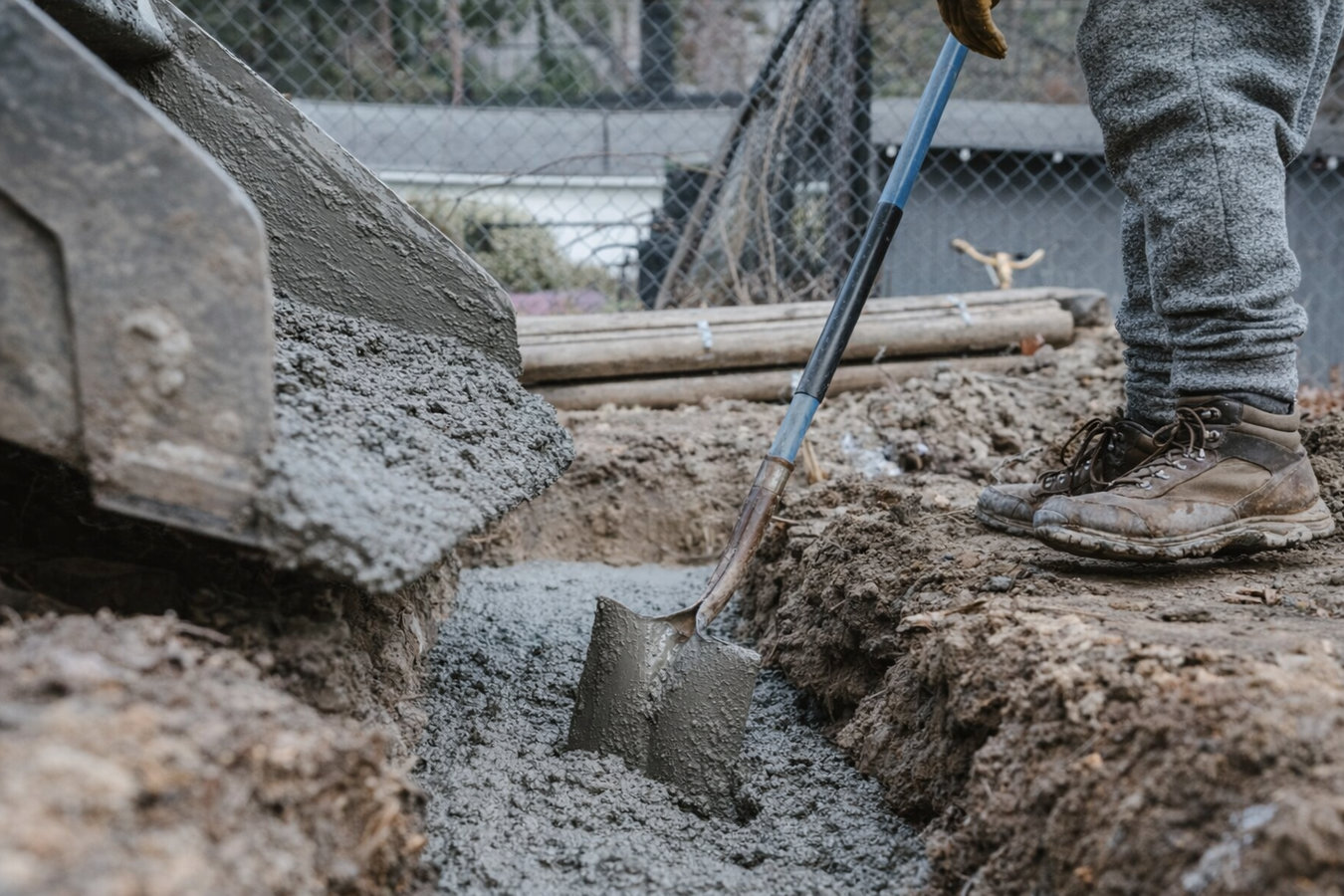
A footing is the buried base everything else depends on. In Edgewater's sandy coastal soil, getting it right means digging to stable ground, placing rebar, and pouring correctly for Florida's heat - so the structure above stays level for decades.
Concrete footings in Edgewater are the buried, reinforced concrete bases that support your home's walls, deck posts, addition columns, or any new structure - most residential footing projects take one to three days from excavation to pour, then at least a week of curing before construction above them can continue.
A footing is the part of a project you will never see once the job is done, but everything above it - framing, walls, a screened porch - depends on it being right. In Edgewater's sandy coastal soil, where the ground near the Indian River Lagoon shifts seasonally, a footing that is dug to the right depth and poured on stable ground is the difference between a structure that stays level for 50 years and one that starts cracking within a few seasons. If you are planning any kind of addition or detached structure, a footing conversation needs to happen before anything else.
For homeowners who are also considering upgrading their structural base, foundation installation covers broader foundation work that often begins with or builds on properly placed footings.
If you are thinking about a screened porch, sunroom, detached garage, or any addition to your Edgewater home, you almost certainly need new footings before anything gets built. Even a modest deck or pergola needs a proper base to stay level and safe over time - if a contractor quotes an addition without mentioning footings, ask about it.
Diagonal cracks running from the corners of doors or windows - especially ones that appeared gradually over months - often signal that part of your foundation is moving. In Edgewater's sandy soil, this can happen when the ground beneath a footing shifts or erodes. These cracks do not always mean a crisis, but they are worth a professional look.
When the ground under a footing moves, the structure above moves too - and doors and windows are often where you notice it first. If you have ruled out seasonal humidity swelling and the problem persists year-round, it may point to a footing issue rather than a wood problem, especially in homes built before the 1990s.
Edgewater's heavy hurricane-season rains can pool against a home's base for hours or days after a storm. Water that consistently collects near your foundation can gradually erode or undermine the soil supporting your footings. If you see this pattern repeatedly, get an assessment before a small problem becomes structural.
We pour concrete footings for residential additions, screened enclosures, decks, detached garages, pergolas, and structural repairs across Edgewater and Volusia County. Every project includes a soil assessment before we quote, because footing depth in this area depends on what the ground actually looks like at your site - not a number off a price sheet. We handle the Volusia County permit application, coordinate the required pre-pour inspection, place rebar inside the trench, and pour a concrete mix appropriate for Florida's heat. In Edgewater's high water table conditions, we keep a pump on site to manage standing water in the excavation so the pour is never compromised.
If your project involves raising or stabilizing an existing structure, foundation raising addresses settled or sinking foundations that have already moved. For new builds that need a full structural base, foundation installation covers complete foundation systems from footings to finish.
Best for homeowners adding a sunroom, bedroom, garage, or any living space to an existing Edgewater home.
Best for outdoor structures where post loads need a stable concrete base to prevent sinking or tilting.
Best for standalone sheds, workshops, and accessory structures that require a permitted structural base.
Best for homes with existing footings that have shifted, cracked, or no longer meet current code requirements.
Edgewater's soil near the Indian River Lagoon is predominantly sandy and, in many areas, mixed with organic material - neither of which is ideal for supporting a footing without careful assessment. The water table here sits close to the surface, and during Florida's rainy season it rises further. That combination means a contractor who is used to working in Volusia County's coastal conditions handles excavation and pours differently than one who is not. Digging to stable ground - not just the fastest or shallowest depth - and managing water intrusion in the trench are real considerations on nearly every residential footing job in this area.
Many Edgewater homes were built in the 1970s through 1990s, and a steady share of our footing work here is for owners adding screened enclosures, sunrooms, or detached structures to those properties. Tying new footing work to an older home means understanding how the existing foundation has settled over time. We work throughout Edgewater, FL and into neighboring New Smyrna Beach, FL, where similar soil and water table conditions apply. Late fall through early spring tends to give the most predictable excavation and curing conditions, though we plan for summer pours when scheduling requires it.
We come to your property to assess soil conditions, drainage, and equipment access before quoting. Footing work in Edgewater's variable soil cannot be priced accurately from a phone call - your written estimate is based on what we actually see at your site.
We file the Volusia County permit paperwork on your behalf before any digging begins. Permit approval typically takes a few days to a couple of weeks. We also coordinate the required pre-pour inspection so you never have to call the county building office yourself.
We dig the footing trenches to the depth required to reach stable, undisturbed ground - in Edgewater's sandy areas this sometimes means going deeper than the minimum. Before the pour, the county inspector confirms the excavation meets the approved plan.
We place steel reinforcement inside the trench, pour the concrete in a single day for most residential projects, and cover the surface to manage Florida's heat during curing. Plan for at least one week before any structural work continues above the footing.
We assess your soil and drainage conditions before giving you a number - so the price you agree to is the price you pay, with no surprises after the digging starts.
(386) 749-1231Since 2019, we have been pouring footings in Volusia County's sandy, high water table conditions. We know when to dig deeper than the minimum, how to manage water in the trench, and what Edgewater's county inspectors look for at the pre-pour step - all of which directly affect the quality of the finished footing.
We do not quote footing work over the phone. Edgewater's soil conditions vary from block to block - a proper on-site look is the only way to give you a number you can trust. The written estimate you receive reflects what we actually find at your property, not a generic square-footage formula.
Volusia County requires a permit for virtually all residential footing work, and the pre-pour inspection is legally required before concrete goes in. We handle the full permit process from filing to final inspection sign-off. You can verify Florida contractor licenses at myfloridalicense.com through the Florida Department of Business and Professional Regulation.
Every footing we pour includes steel rebar and concrete mixed for Florida's heat and humidity. The American Concrete Institute sets the standards our crews work to - proper rebar placement, correct mix consistency, and moist curing in hot weather are all part of the job, not optional extras.
A footing is invisible once the job is done, but it is what every other trade depends on being right. Local soil knowledge, proper permits, and a concrete mix suited to Florida's climate are what separate a footing that lasts 50 years from one that causes problems in the next storm season. The American Concrete Institute publishes the structural concrete standards our crews follow, and Volusia County Building and Code Administration oversees permit and inspection requirements for all footing work in this area.
When an existing structure has already settled or shifted, foundation raising addresses the movement before it causes further damage above grade.
Learn MoreComplete foundation systems - from properly placed footings through the full slab or wall structure - for new construction and major additions.
Learn MorePermit season in Volusia County fills up fast - reach out now to lock in your start date before the summer rainy season limits your options.