
Loading...
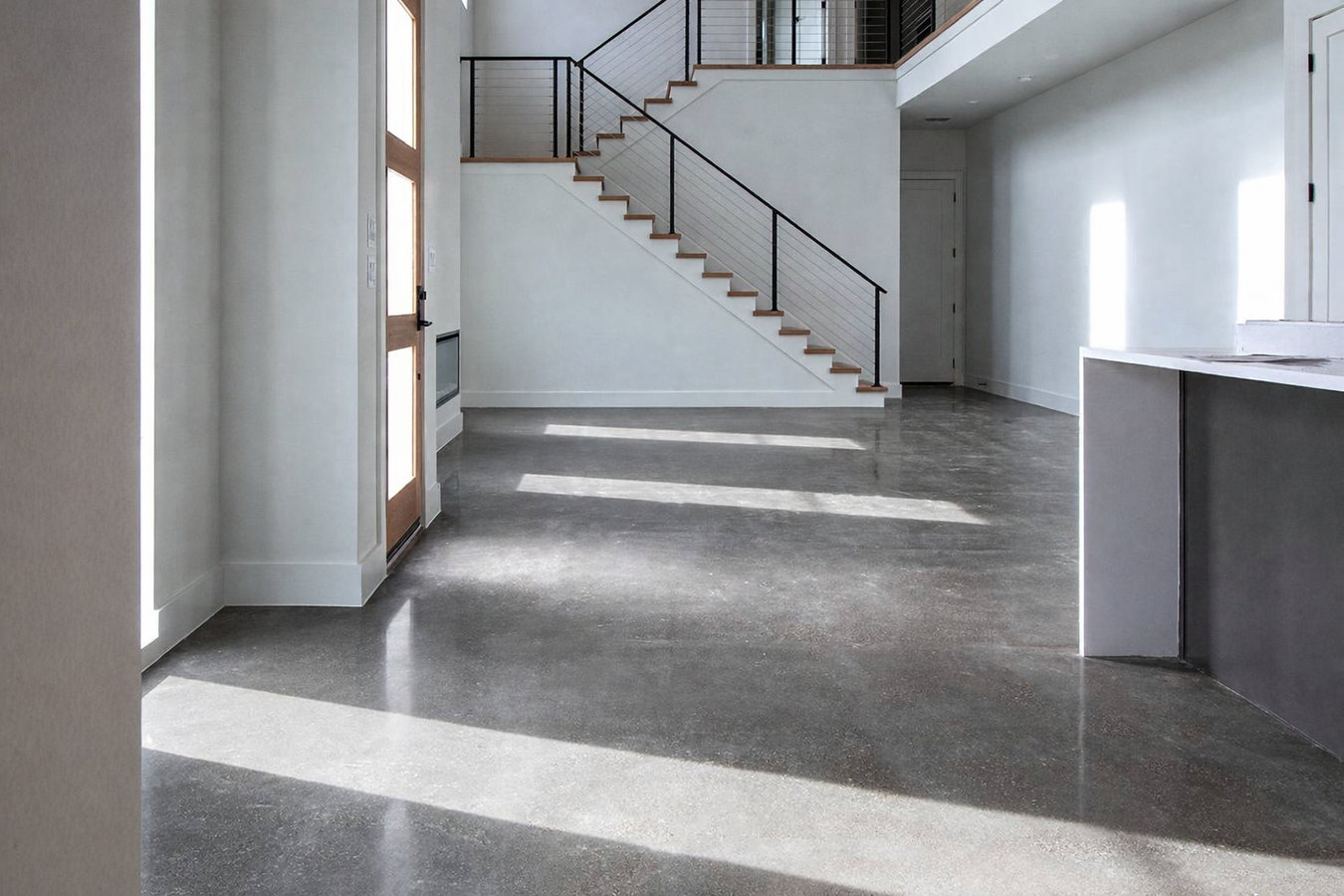
A cracked, settling, or poorly drained floor is a sign the base was not done right. We install concrete floors in Edgewater that start with proper sub-base compaction for sandy coastal soil - so your floor stays level and solid for the long run.
Concrete floor installation in Edgewater involves excavating or preparing the ground, compacting a crushed stone base, forming the perimeter, pouring the mix, and finishing the surface - most residential floors are poured in a single day, with the full project taking two to three days on site and full strength reached around 28 days after the pour.
Many Edgewater homeowners come to us after a floor has been patched multiple times and keeps cracking - usually because the original contractor skipped proper base prep on sandy coastal soil. Getting that sub-base right before pouring is what separates a floor that lasts 30 years from one that needs replacing in five.
If you are adding a covered outdoor space or enclosing a carport, a concrete floor installation often pairs well with a concrete pool deck or garage floor project - we can scope all of it in one estimate.
If you have patched the same crack more than once and it keeps reopening, the problem is underneath - not on the surface. In Edgewater's sandy soil, the ground beneath a slab shifts over time, and no surface patch holds if the base is moving. A crack that runs diagonally or has one side higher than the other signals the slab needs to be replaced, not repaired.
Florida's frequent rain means drainage matters more here than in drier states. If your floor holds puddles rather than draining toward the edges after a storm, the floor was poured without the right slope or has settled unevenly. Standing water accelerates surface damage and works its way under the slab each season.
Walk slowly and listen for a hollow sound when you tap the floor with your heel. That hollow sound means there is a void beneath the slab - the soil has washed away or compressed, leaving the concrete unsupported. In Edgewater's coastal environment, this can happen when rainwater repeatedly channels under a slab over many years.
If the top layer of your floor is peeling off in thin chips or crumbling when you sweep it, the surface has deteriorated past what a coating or sealer can fix. Florida's combination of heat, humidity, and occasional salt air accelerates this kind of breakdown on older slabs. Once the surface layer is gone, the floor absorbs moisture more easily and the deterioration speeds up.
We install new concrete floors for garages, additions, covered patios, workshops, and ground-level living spaces. Every pour starts with base preparation - compacted soil and crushed stone aggregate - before a single drop of concrete goes in. We also install control joints at regular intervals so the slab has planned places to relieve stress rather than cracking randomly across the middle. If you want a more finished look for an outdoor living area, decorative options including pool deck surfaces and stained finishes are scoped into the same project.
For homeowners replacing an older slab, we handle demolition and haul-away as part of the project so you are not coordinating a separate demo contractor. Many Edgewater homes built in the 1970s through 1990s have original slabs that are now at the end of their service life. If your garage floor is in that category, a full replacement is usually more cost-effective than continued patching.
For new construction, additions, or converting a carport - poured on a properly compacted base with reinforcement and control joints.
Demo, haul-away, and replacement of a failing existing floor - best for slabs with structural cracking, voids, or surface deterioration beyond repair.
Durable, slip-resistant surface texture suitable for garages, utility spaces, and covered patios that prioritize function over appearance.
Stamped patterns, exposed aggregate, or staining for outdoor living spaces and any floor where appearance matters alongside durability.
Edgewater's sandy, low-bearing soil near the coast is one of the most common reasons concrete floors fail in this area - not the concrete itself, but what is underneath it. A contractor who does not compact the base properly and add crushed stone aggregate before pouring is cutting the corner that causes slabs to sink, crack, and settle within a few years. Edgewater also sees heavy summer humidity and daily afternoon rain from June through September, which means pour scheduling and weather management matter for getting a clean, durable surface.
Properties closer to the Indian River and Intracoastal Waterway may also fall within FEMA flood zones that come with elevation requirements for ground-level structures. We serve homeowners across the area, including Port Orange to the north and New Smyrna Beach to the south, and we check flood zone status as part of every estimate in low-lying areas.
We respond within one business day. Before scheduling a visit, we ask a few basic questions - what the floor is for, roughly how large the area is, and whether there is existing concrete to remove. You do not need to have every answer ready.
We visit your property to measure, assess the existing ground or slab, and check drainage patterns and access. In Edgewater, we pay particular attention to how water moves through the area - that affects how the floor needs to be designed. You get a written, itemized estimate after this visit.
For most new concrete floors in Volusia County, we pull a building permit before work begins. This typically takes a few business days to a week. Once it is approved, you get a start date. You do not need to contact the county yourself.
The crew prepares the sub-base, forms the perimeter, and pours the concrete - usually completing the pour and finishing in a single day. A Volusia County inspector checks the finished slab before the permit is closed out, and we coordinate that visit for you.
Free on-site visit. Written quote after we see the site. Volusia County permits handled start to finish.
(386) 749-1231Edgewater's sandy coastal soil requires a more thorough sub-base than you would need in denser inland soil. We compact the base and add crushed stone aggregate before every pour - the step most often skipped when floors fail early. We have been doing this in Volusia County since 2019 and know what the local ground demands.
Florida's frequent rain means a floor that does not drain is a floor that deteriorates faster. We ensure every slab is poured with the right slope toward an edge or drain so water does not sit on the surface after a storm. That is especially important for outdoor spaces near the Indian River Lagoon.
Most new concrete floors in Edgewater require a county building permit. We handle the application and coordinate the final inspection - so your project is legally documented and your home's record is clean. This protects you whether you plan to sell or stay.
Every estimate we give includes a line-by-line breakdown - demolition if needed, base prep, forming, pour, and finishing. You know exactly what you are paying before we start. If anything changes during the project, we discuss it with you before it shows up on the invoice.
Getting the base right and the pour scheduled around Florida weather are the two things that separate a floor that lasts from one that does not. For technical standards that govern concrete floor construction, the Portland Cement Association outlines the installation guidelines we follow on every residential project.
Extend your concrete project to a pool surround with a slip-resistant, UV-stable finish suited for Florida's outdoor climate.
Learn MoreDedicated garage floor replacement with vehicle-rated thickness, moisture barrier, and optional coating finishes.
Learn MoreOur fall and winter calendar fills quickly - reach out now so we can get your project on the schedule before the busy season starts.